|
Syllabus Component
|
Teaching hours
|
|
SL
|
HL
|
|
Prescribed subjects
1. Military leaders
2. Conquest and its impact
3. The move to global war
4. Rights and protest
5. Conflict and intervention
|
40
|
40
|
|
World history topics
1. Society and economy (750–1400)
2. Causes and effects of medieval wars (750–1500)
3. Dynasties and rulers (750–1500)
4. Societies in transition (1400–1700)
5. Early Modern states (1450–1789)
6. Causes and effects of Early Modern wars (1500–1750)
7. Origins, development and impact of industrialization (1750–2005)
8. Independence movements (1800–2000)
9. Evolution and development of democratic states (1848–2000)
10. Authoritarian states (20th century)
11. Causes and effects of 20th-century wars
12. The Cold War: Superpower tensions and rivalries (20th century)
|
90
|
90
|
|
HL options: Depth studies
1. History of Africa and the Middle East
2. History of the Americas
3. History of Asia and Oceania
4. History of Europe
|
|
90
|
|
Internal assessment
Historical investigation
|
20
|
20
|
|
Total teaching hours
|
150
|
240
|
PRESCRIBED SUBJECTS (Choose 1 of 5)
A. Military leaders
|
Case Study 1: Genghis Khan (1200 -1227)
|
Leadership
|
- Rise to power; uniting of rival tribes
- Motives and objectives; success in achieving those objectives
- Reputation: military prowess; naming as Genghis Khan (1206)
- Importance of Genghis Khan’s leadership to Mongol success
|
|
Campaigns
|
- Mongol invasion of China: attacks on the Jin dynasty; capture of Beijing (1215)
- Mongol invasion of Central Asia and Iran; Mongol invasion of Khwarezmia (1219–1221)
- Mongol military technology, organization, strategy and tactics
|
|
Impact
|
- Political impact: administration; overthrowing of existing ruling systems; establishment of Mongol law/Yassa; move towards meritocracy
- Economic impact: establishment, enhancement and protection of trade routes
- Social, cultural and religious impact: population displacement; terror, looting and murdering; raiding and destruction of settlements; religious, cultural and technological exchange; religious freedom under the Mongols
|
|
Case Study 2: Richard I of England (1173 – 1199)
|
Leadership
|
- Rise to power: revolt of Richard I and his brothers against Henry II (1173–1174)
- Reputation: military prowess; chivalry; “Richard the Lionheart”
- Motives and objectives: defence and recovery of the French lands; defence of the crusader states and recovery of lost territory; success in achieving those objectives
|
|
Campaigns
|
- Occupation of Sicily (1190–1191); conquest of Cyprus (1191)
- Involvement in the Third Crusade (1191–1192)
- The course, outcome and effects of Richard I’s campaigns in France, the Mediterranean and the Middle East
|
|
Impact
|
- Political impact in England: absence of the king; political instability; revolt of John and Philip in Richard’s absence
- Political impact in France: growth in prestige and strength of the Capetian monarchy; expansion of royal control
- Economic impact: raising money for campaigns; taxation of clergy; raising of the ransom after his capture and imprisonment by Leopold V, Duke of Austria and Henry VI, Holy Roman Emperor (1193)
- Social, cultural and religious impact: anti-Jewish violence; treatment of Muslim prisoners during the Third Crusade
|
B. Conquest and Its Impact

|
Case Study 1: The Final Stages of Muslim Rule in Spain
|
Context and Motives
|
- Political context in Iberia and Al-Andalus in the late 15th century; internal conflicts and alliances in Granada in the late 15th century
- Social and economic context in Iberia and Al-Andalus in the late 15th century; coexistence of population; intercultural exchange; economic decline; heavy taxation
- Motives: political motives; religious motives and the role of the church
|
|
Key events and Actors
|
- The Granada War and the conquest of Granada (1482–1492)
- Treaty of Granada (1491); Alhambra decree (1492)
- Key actors: Fernando de Aragón and Isabel de Castilla; Abu Abdallah, last king of Granada; Tomás de Torquemada
|
|
Impact
|
- Social and demographic changes; persecution, enslavement and emigration; new institutions: encomienda, fueros
- Forced conversions and expulsions; Marranos, Mudéjars
- The Spanish Inquisition
|
|
Case Study 2: The Conquest of Mexico and Peru (1519–1551)
|
Context and motives
|
- Political and economic motives for exploration and conquest
- Religious arguments for the conquest
|
|
|
Key events and actors
|
- Hernán Cortés and the campaign against the Aztec Empire; alliances with indigenous populations
- Francisco Pizarro and the campaign against the Incas; alliances with indigenous populations
- Key actors: Diego de Almagro, Malinche, Atahualpa, Moctezuma II; Bartolomé de las Casas; Juan Gines Sepúlveda
|
|
|
Impact
|
- Social and economic impact (including trade) on indigenous populations; the encomienda and Mita systems
- Causes and effects of demographic change; spread of disease
- Cultural impact: religion, language
|
C. The Move to Global War

|
Case Study 1: Japanese Expansion in East Asia (1931–1941)
|
Causes of expansion
|
- The impact of Japanese nationalism and militarism on foreign policy
- Japanese domestic issues: political and economic issues, and their impact on foreign relations
- Political instability in China
|
|
Events
|
- Japanese invasion of Manchuria and northern China (1931)
- Sino-Japanese War (1937–1941)
- The Three Power/Tripartite Pact; the outbreak of war; Pearl Harbor (1941)
|
|
Responses
|
- League of Nations and the Lytton report
- Political developments within China—the Second United Front
- International response, including US initiatives and increasing tensions between the US and Japan
|
|
Case Study 2: German and Italian Expansion (1933–1940)
|
Causes of Expansion
|
- Impact of fascism and Nazism on the foreign policies of Italy and Germany
- Impact of domestic economic issues on the foreign policies of Italy and Germany
- Changing diplomatic alignments in Europe; the end of collective security; appeasement
|
|
Events
|
- German challenges to the post-war settlements (1933–1938)
- Italian expansion: Abyssinia (1935–1936); Albania; entry into the Second World War
- German expansion (1938–1939); Pact of Steel, Nazi–Soviet Pact and the outbreak of war
|
|
Responses
|
- International response to German aggression (1933–1938)
- International response to Italian aggression (1935–1936)
- International response to German and Italian aggression (1940)
|
D. Rights and Protest

|
Case Study 1: Civil Rights Movement in the United States (1954–1965)
|
Nature and Characteristics of Discrimination
|
- Racism and violence against African Americans; the Ku Klux Klan; disenfranchisement
- Segregation and education; Brown versus Board of Education decision (1954); Little Rock (1957)
- Economic and social discrimination; legacy of the Jim Crow laws; impact on individuals
|
|
Protests and Action
|
- Non-violent protests; Montgomery bus boycott (1955–1956); Freedom Rides (1961); Freedom Summer (1964)
- Legislative changes: Civil Rights Act (1964); Voting Rights Act (1965)
|
|
The Role and Significance of Key Actors/Groups
|
- Key actors: Martin Luther King Jr; Malcolm X; Lyndon B Johnson
- Key groups: National Association for the Advancement of Colored People (NAACP); Southern Christian Leadership Conference (SCLC) and Student Non-violent Coordinating Committee (SNCC); the Nation of Islam (Black Muslims)
|
|
Case Study 2: Apartheid South Africa (1948–1964)
|
Nature and Characteristics of Discrimination
|
- “Petty Apartheid” and “Grand Apartheid” legislation
- Division and “classification”; segregation of populations and amenities; creation of townships/forced removals; segregation of education; Bantustan system; impact on individuals
|
|
Protests and Action
|
- Non-violent protests: bus boycotts; defiance campaign, Freedom Charter
- Increasing violence: the Sharpeville massacre (1960) and the decision to adopt the armed struggle
- Official response: the Rivonia trial (1963–1964) and the imprisonment of the ANC leadership
|
|
The Role and Significance of Key Actors/Groups
|
- Key individuals: Nelson Mandela; Albert Luthuli
- Key groups: the African National Congress (ANC); the South African Communist Party (SACP) and the MK (Umkhonto we Sizwe—“Spear of the Nation”)
|
E. Conflict and Intervention

|
Case Study 1: Rwanda (1990–1998)
|
Causes of the Conflict
|
- Ethnic tensions in Rwanda; the creation of the Hutu power movement and the Interahamwe; role of the media
- Other causes: economic situation; colonial legacy
- Rwandan Civil War (1990–1993); assassination of Habyarimana and Ntaryamira (1994)
|
|
Course and Interventions
|
- Actions of the Rwandan Patriotic Front (RPF) and Rwandan government; role of the media
- Nature of the genocide and other crimes against humanity; war rape
- Response of the international community; the United Nations Assistance Mission for Rwanda (UNAMIR); reasons for inaction; role of France, Belgium and the US
|
|
Impact
|
- Social impact; refugee crisis; justice and reconciliation
- International impact; establishment of the International Criminal Tribunal for Rwanda (1994)
- Political and economic impact; RPF-led governments; continued warfare in the Democratic Republic of Congo (Zaire)
|
|
Case Study 2: Kosovo (1989–2002)
|
Causes of the Conflict
|
- Ethnic tensions between Serbs and Kosovar Albanians; rising Albanian nationalism
- Political causes: constitutional reforms (1989–1994); repression of the Albanian independence campaign
- Role and significance of Slobodan Milosevic and Ibrahim Rugova
|
|
Course and Interventions
|
- Actions of Kosovo Liberation Army, Serbian government police and military
- Ethnic cleansing and crimes against humanity; significance of the Račak massacre
- Response of the international community; response of the UN; NATO bombing campaign; Kosovo Force (KFOR)
|
|
Impact
|
- Social and economic consequences; refugee crisis; damage to infrastructure
- Political impact in Kosovo; election of Ibrahim Rugova as president (2002)
- International reaction and impact; International Criminal Tribunal for the Former Yugoslavia (ICTY); indictment of Milosevic
|

WORLD HISTORY TOPICS ( Choose 2 of 12)
A) Society and Economy (750–1400)

|
Society and Economy
|
- Changes in social structures and systems
- Impact of population change; impact of famines and disease
- Role and status of women in society: economic and non-economic roles
- Development of trading routes and economic integration; development of different types of taxation, including the social and economic impact of taxation
- Changes in travel and transportation
|
|
Cultural and Intellectual Developments
|
- Role and significance of key individuals
- Factors affecting the transmission of ideas and cultures
- Significance and impact of artistic and cultural developments; developments in architecture
- Developments in science and technology
|
|
Religion and Society
|
- Social and economic influence of religious institutions
- Religious leaders: role and status of religious leaders in government and administration; disputes between rulers and religious leaders
- Treatment of religious minorities; religious persecution
- Spread of religion
|
B) Causes and Effects of Wars (750–1500)

|
Types and Causes of Conflict
|
- Dynastic, territorial and religious disputes
- Economic causes, competition for resources
- Political causes
- Religious causes
- Long-term, short-term and immediate causes
|
|
Course, Practices and Outcomes
|
- Role and significance of leaders
- Mobilisation of human and economic resources
- Logistics, tactics and organisation of warfare
- Role and significance of women
|
|
Effects
|
- Conquest, boundary and dynastic changes
- Successes and failures of peacemaking
- Political impact: short-term and long-term
- Economic, social, religious and cultural changes
- Demographic changes and population movements
|
C) Dynasties and Rulers (750–1500)

|
Dynasties and Rulers
|
- Individual rulers: nature of power and rule; aims and achievements
- Methods used to legitimize, consolidate and maintain rule
- Expansion of dynasties/kingdoms: reasons for expansion; methods used to expand power; invasion and settlement
|
|
Law, Governing Institutions and Administration
|
- Methods of government and administration
- Effects of religious and secular law
- Administration and interpretation of law
- Role and duties of officials; role of nobility and the elite
|
|
Challenges
|
- Successes and failures of dynasties and rulers
- Internal and external challenges to power and the methods used to address them
- Rebellion and/or political opposition; rivalries and issues of succession
|
D) Societies in Transition (1400–1700)

|
Social and Economic Change
|
- Changing social structures and systems; role of women in society
- Population expansion and movements
- Treatment of minority or indigenous peoples
- Economic change: development of, and changing patterns of, trade; role and impact of merchants and travellers
|
|
Cultural and Intellectual Change
|
- Artistic, cultural and intellectual movements
- Cross-cultural exchange
- Scientific and technological developments; social and cultural impact of those developments
- Role and significance of key intellectual/scientific figures
|
|
Religious Change
|
- Religion and the state: interactions and relationships; religion as a support or a challenge to the state
- Religious expansion and conversion
- Religious division, conflict, discrimination and persecution
|
E) Early Modern States (1450–1789)

|
Nature of Power and Rule
|
- States in ascendancy and states in decline
- Methods and models of government; reasons for changes in political structures/political organization; domestic policies; treatment of subjects
- Individual rulers: ideology; nature of rule; ambition and achievements; legitimacy; successes and failures
|
|
Expansion
|
- Territorial expansion via assimilation and/or unification; political, economic and religious rationale for expansion; political organization, and structures and methods of government
- Colonial and/or imperial expansion; political, economic and religious rationale for expansion and acquisition of territory; political organization, and structures and methods of government
|
|
Conflicts and Challenges
|
- Methods of maintaining power within states; treatment of opposition
- Support and opposition; challenges to power and how successfully those challenges were overcome
- Rivalries and tensions; issues of succession
- Challenges to colonial rule: resistance, rebellions and their impact; the colonial race—competition and conflict
|
F) Causes and Effects of Early Modern Wars (1500–1750)

|
Causes of Conflicts
|
- Ideological and political causes
- Economic causes; competition for resources
- Religious causes
- Short- and long-term causes
|
|
Practices and Impact on Outcome
|
- Role and significance of leaders
- Mobilisation of human and economic resources
- Organisation of warfare; land and sea strategies
- Significance of technological developments
- Influence and involvement of foreign powers
|
|
Effects
|
- Peacemaking: successes and failures
- Economic, political and territorial impact
- Social and religious impact
- Demographic changes and population movements
|
G) Origins, Development and Impact of Industrialization (1750–2005)
|
The Origins of Industrialization
|
- The causes and enablers of industrialization; the availability of human and natural resources; political stability; infrastructure
- Role and significance of technological developments
- Role and significance of individuals
|
|
The Impact and Significance of Key Developments
|
- Developments in transportation
- Developments in energy and power
- Impact of technological developments: exploitation of natural resources; introduction of new products
- Changing patterns of production: mass production
- Developments in communications
|
|
The Social and Political Impact of Industrialization
|
- Urbanisation and the growth of cities and factories
- Labour conditions; organisation of labour
- Political representation; opposition to industrialization
- Impact on standards of living; disease and life expectancy; leisure
|
H) Independence Movements (1800–2000)

|
Origins and Rise of Independence Movements, Upto the Point of Independence
|
- Development of movements: role and relative importance of nationalism and political ideology
- Development of movements: role and relative importance of religion, race, social and economic factors
- Wars as a cause and/or catalyst for independence movements
- Other internal and external factors fostering growth of independence movements
|
|
Methods Used and Reason for Success
|
- Methods of achieving independence (including violent and non-violent methods)
- Role and importance of leaders of independence movements
- The role and relative importance of other factors in the success of independence movements
|
|
Challenges Faced in the First 10 Years, and Responses to the Challenges
|
- Challenges: political problems; ethnic, racial and separatist movements
- Social, cultural and economic challenges
- Responses to those challenges, and the effectiveness of those responses
|
I) Emergence and Development of Democratic States (1848–2000)

|
Emergence of Democratic States
|
- Conditions that encouraged the demand for democratic reform: aftermath of war and/or political upheaval; political, social and economic factors; external influences
- The role and significance of leaders
- Development of political parties, constitutions and electoral systems; the significance of those developments in the emergence of democracy
|
|
The Development of Democratic States
|
- Factors influencing the evolution of democratic states: immigration; ideology; economic forces; foreign influences
- Responses to, and impact of, domestic crises
- Struggle for equality: suffrage movements; civil protests
|
|
Aims and Results of Policies
|
- Social and economic policies and reforms: education; social welfare; policies towards women and minorities; the distribution of wealth
- The impact on the population of changing social and economic policies
- Cultural impact; freedom of expression in the arts and media
|
J) Authoritarian States (20th century)

|
Emergence of Authoritarian States
|
- Conditions in which authoritarian states emerged: economic factors; social division; impact of war; weakness of political system
- Methods used to establish authoritarian states: persuasion and coercion; the role of leaders; ideology; the use of force; propaganda
|
|
Consolidation and Maintenance of Power
|
- Use of legal methods; use of force; charismatic leadership; dissemination of propaganda
- Nature, extent and treatment of opposition
- The impact of the success and/or failure of foreign policy on the maintenance of power
|
|
Aims and Results of Policies
|
- Aims and impact of domestic economic, political, cultural and social policies The impact of policies on women and minorities
- Authoritarian control and the extent to which it was achieved
|
K) Causes and Effects of 20th-Century Wars
|
Causes of War
|
- Economic, ideological, political, territorial and other causes
- Short-term and long-term causes
|
|
Practices of War and their Impact on the Outcome
|
- Types of war: civil wars; wars between states; guerrilla wars
- Technological developments; air, naval and land warfare
- The extent of the mobilisation of human and economic resources
- The influence and/or involvement of foreign powers
|
|
Effects of War
|
- The successes and failures of peacemaking
- Territorial changes
- Political impact: short-term and long-term
- Economic, social and demographic impact; changes in the role and status of women
|
L) The Cold War: Superpower Tensions and Rivalries (20th century)
|
Rivalry, Mistrust and Accord
|
- The breakdown of the Grand Alliance and the emergence of superpower rivalry in Europe and Asia (1943–1949): role of ideology; fear and aggression; economic interests; a comparison of the roles of the US and the USSR
- The US, USSR and China—superpower relations (1947–1979): containment; peaceful co-existence; Sino-Soviet and Sino-US relations; detente
- Confrontation and reconciliation; reasons for the end of the Cold War (1980– 1991): ideological challenges and dissent; economic problems; arms race
|
|
Leaders and Nations
|
- The impact of two leaders, each chosen from a different region, on the course and development of the Cold War
- The economic, social and cultural impact of the Cold War on two countries, each chosen from a different region
|
|
Cold War Crises
|
- Cold War crises case studies: detailed study of any two Cold War crises from different regions: examination and comparison of the causes, impact and significance of the two crises
|
DEPTH STUDIES (HL only, Choose 1 of 4)
History of Africa and the Middle East
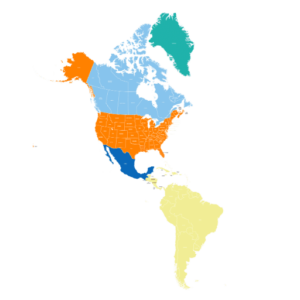
History of the Americas
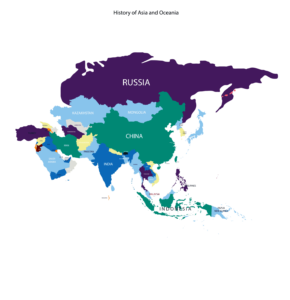
History of Asia and Oceania
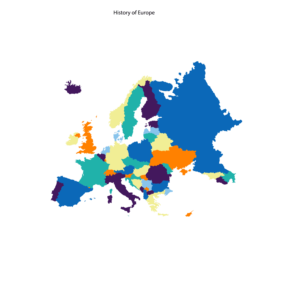
History of Europe
For whichever region is selected, three sections must be studied from a choice of 18 sections for each region.